Biohazard Cleanup
Safe, careful removal of bodily fluids and other infectious material, finished with hospital-grade disinfection.
Learn more →New Jersey · Camden County
Unsure whether a mess counts as a biohazard in Sicklerville, NJ? Call (877) 812-4220 and ask. Blood, human waste, decomposition, sharps and sewage all get full protective gear and hospital-grade disinfection.
If anyone is in danger, call 911 first. For a suicide crisis, call or text 988.
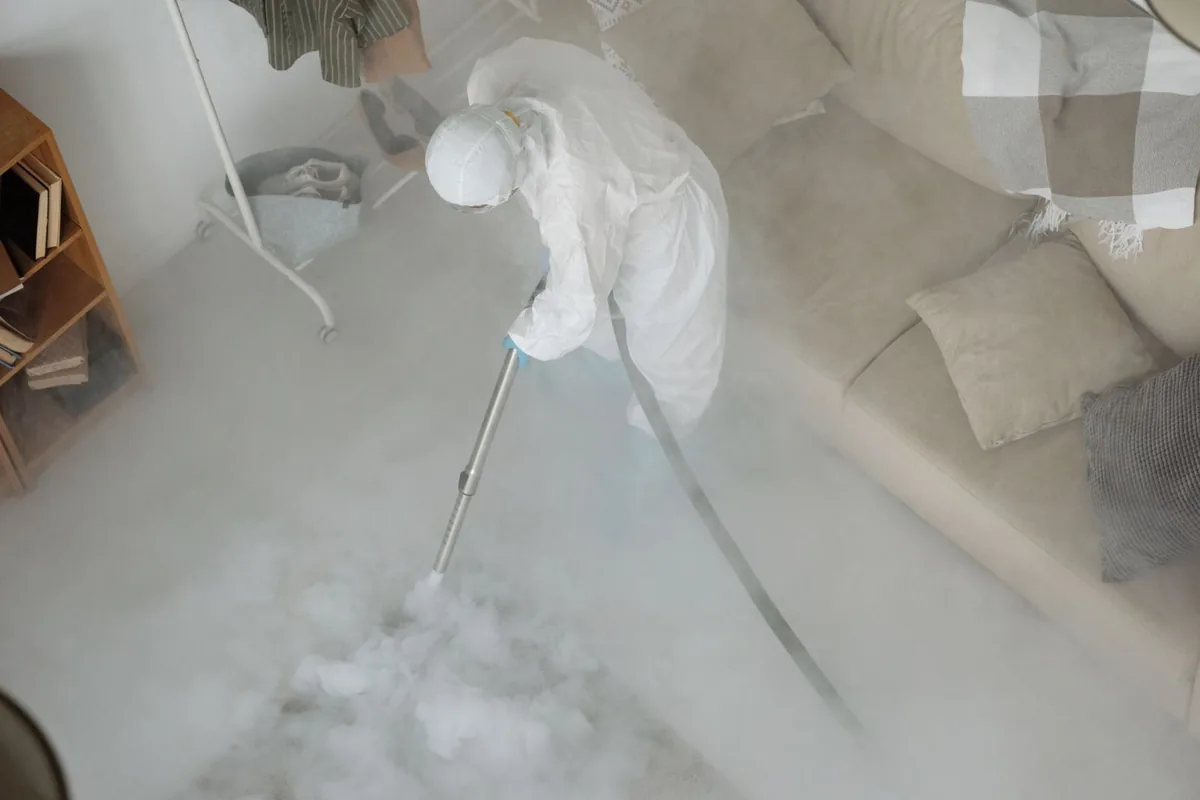
In plain terms, biohazard cleanup is decontamination after something harmful to health has been left behind. If you need cleanup in Sicklerville, NJ after a death, violent event, accident, spill or unsafe living conditions, call Sicklerville Biohazard Cleanup Help and get a biohazard cleanup team ready for the job.
Property owners, family members, landlords, property managers and insurance adjusters can all get help from Sicklerville Biohazard Cleanup Help. The cleanup is documented with photos and notes, and coverage reaches Sicklerville, Camden and nearby towns across Camden County.
Fewer older adults in Sicklerville live alone than the New Jersey average, at 20%. Even so, unattended deaths happen in every community, and the cleanup steps are the same. Only about 27% of homes in Sicklerville were built before 1980, so most cleanups involve newer drywall and flooring, though fluids can still soak through to the subfloor.
Biohazard remediation is more than wiping a surface. The cleanup team plans the work around OSHA's bloodborne pathogen rules (29 CFR 1910.1030), then uses PPE, containment and careful removal steps that keep exposure low for everyone nearby.
Odor is treated at its source, not covered up. HEPA filtration, hydroxyl generators and ozone treatment work on the air and on the surfaces, and ATP testing can show whether the cleaned area meets the standard before the property is released.
Below are the cleanup services you can get in Sicklerville, grouped by what happened: death and trauma, waste and hoarding, disease and drugs, and property cleanouts.
Safe, careful removal of bodily fluids and other infectious material, finished with hospital-grade disinfection.
Learn more →Cleanup after violent crimes, break-ins and assaults, using protective gear and EPA-registered disinfectants.
Learn more →Trauma cleaners remove blood, bodily fluids and odor after injuries, violent events and sudden emergencies.
Learn more →After death cleaning for families, landlords and estates, handled quietly and with care.
Learn more →Respectful biohazard cleanup that removes affected materials and treats odor so families do not have to.
Learn more →Homicide cleaners remove contaminated materials, disinfect every affected surface and prepare records for insurers.
Learn more →Blood spill clean up for homes, rentals and workplaces, with soaked materials removed and surfaces sanitized.
Learn more →Commercial feces cleanup and body fluid cleaning for restrooms, shops, schools and care sites.
Learn more →Human feces and urine cleanup in homes, rentals and workplaces, with disinfection and odor treatment.
Learn more →Removes soaked materials, disinfects and neutralizes odor in homes, rentals and vehicles.
Learn more →Hoarding cleanup done at the resident's pace, with valuables and papers kept safe.
Learn more →Hoarding removal with protective gear, safe lifting and correct disposal of waste.
Learn more →Ammonia odor, urine and feces cleaned from floors, walls and air after animals are removed.
Learn more →Squalor cleanup that removes filth, waste and spoiled food, then scrubs and disinfects every room.
Learn more →Category 3 cleanup with protective gear, sealed disposal and EPA-registered disinfectants.
Learn more →Biohazard decontamination after outbreaks, with protective gear, set order of work and sealed disposal of waste.
Learn more →Detailed decontamination after blood, sewage, animal waste or infectious illness, using EPA-registered disinfectants.
Learn more →Safe collection of used needles, syringes and contaminated supplies, with proper containers and transport.
Learn more →Found a needle? A cleanup team searches the area, removes every sharp and disinfects what it touched.
Learn more →Discreet drug residue cleanup for rentals, homes, hotels and businesses, with protective gear throughout.
Learn more →Clear steps for owners who suspect meth contamination, from first sample to final report.
Learn more →Fentanyl decontamination: powder and residue contained, collected and cleaned from homes, vehicles and workplaces.
Learn more →Chemical spill cleanup with containment, decontamination and records for insurers, buyers and inspectors.
Learn more →Hazardous materials contained, removed and hauled away after spills, leaks and accidents.
Learn more →Careful tear gas removal that protects people and pets and documents the work for insurers.
Learn more →Rodent infestation cleanup after pest control, with odor removal and sanitizing of the affected area.
Learn more →Containment, wet removal and disinfection of bat and bird guano in attics, barns and rooftops.
Learn more →Dead animal removal from walls, attics, crawl spaces and vents, with disinfection and odor treatment.
Learn more →Vehicle biohazard cleanup for cars, trucks, vans and buses, with soaked upholstery removed and odor treated.
Learn more →Injury scene cleaners remove soaked materials, treat odor and prepare records for employers and insurers.
Learn more →Commercial cleaning crews disinfect offices, shops, plants and rentals after injuries, deaths and backups.
Learn more →Careful clearing of a home after a death, with biohazard cleanup first when it is needed.
Learn more →The first conversation covers what happened, who owns the property and whether an insurer or landlord is involved. Nothing has to be decided on the spot.
The affected area is sealed off with plastic sheeting and air filtration so contaminants and odor cannot spread. Technicians put on PPE before they enter.
Contaminated porous materials such as carpet, padding, drywall and mattresses are removed. Hard surfaces are deep cleaned and disinfected with hospital-grade products for the full contact time.
Odor and surface checks confirm the result, then biohazard waste is removed from the property under medical waste rules.
A cleanup specialist explains the steps, the likely cost range and what the property owner needs to do next, in everyday words.
A final inspection, with odor and surface checks where they help, confirms the area is safe before the cleanup is called complete.
Blood, decomposition, sewage, sharps, hoarding, drug residue and infectious disease all fall under one call, with the right method for each.
Property managers get clear records, quick coordination on access and a cleaned unit ready for repairs and the next tenant.
Biohazard cleanup in Sicklerville, NJ typically costs $500 to $25,000, depending on the type of biohazard, the size of the affected area and how far fluids soaked into porous materials.
Most residential jobs cost $3,000 to $5,000 (Fixr). Safety equipment, specialty disinfectants and regulated medical waste disposal are real costs that cheaper, general cleaners skip. They are part of why genuine biohazard cleaning costs more than a typical house cleaning.
| Type of job | Typical range |
|---|---|
| Blood spill cleanup, small area | $500 - $2,500 |
| Crime scene cleanup, most homes | $1,500 - $7,500 |
| Unattended death cleanup | $2,000 - $7,000 |
| Suicide cleanup | $1,500 - $5,500 |
| Sewage cleanup, most homes | $2,000 - $10,000 |
| Hoarding cleanup, level 3 home | $2,000 - $5,000 |
| Meth lab cleanup, typical | $15,000 - $20,000 |
Estimates only, not a quote. Sources: Fixr, Yelp Costs, BioCleaners Directory, PushLeads, Dropcurb, Bob Vila and cleanup company cost guides. Call (877) 812-4220 to talk through the job.
Falls, power tool injuries, farm and industrial accidents and car crashes can leave blood and tissue behind. Accident scene cleanup removes the trace so the space can be used again.
Failing septic systems and sewer backups push raw sewage, a Category 3 biohazard, into homes. Sewage cleanup removes contaminated materials and disinfects every surface.
Cars, trucks and work vehicles can carry biohazards after an accident, assault or medical event. Vehicle cleanup removes contaminated upholstery and disinfects every surface and vent.
Offices, shops, churches and other public spaces may need cleanup after an injury, illness outbreak or break-in. The work is planned around staff, customers and reopening dates.
With a vacancy rate of 5% in Camden County, empty buildings can collect animal waste, drug paraphernalia and storm damage that nobody sees until later.
With renters in about 17% of homes in Sicklerville, landlords and property managers often call about tenant deaths, abandoned units and unsafe conditions that need biohazard cleaning.
A biohazard is anything of biological origin that can make people sick. The type of material and the size of the affected area guide how the crew plans the work and how long the cleanup takes.
Yes, when the source is removed and treated. The crew takes out the contaminated materials, disinfects the surfaces, and uses HEPA air scrubbers and hydroxyl or ozone equipment to clear the air, rather than masking the smell.
The body is removed by a funeral home or the authorities. Cleaning the room afterwards is not their job; the family, landlord or estate hires biohazard cleaners for death cleanup, decomposition removal and odor removal.
Biohazard cleanup is the removal, cleaning and disinfection of anything that can spread disease: blood, bodily fluids, tissue, decomposition, human and animal waste, raw sewage, sharps and drug residue. It covers crime scene cleanup, unattended death cleanup, trauma scene cleanup, suicide cleanup, hoarding cleanup and infectious disease disinfection.
Symptoms such as stomach pain, vomiting and diarrhea can begin within a few hours to a few days after contact with raw sewage, depending on the germ. Sewage is a Category 3 biohazard, so it should be cleaned by a crew wearing protective gear, and anyone with symptoms should see a doctor.
A few drops from a small cut can sometimes be cleaned up by a careful person wearing gloves, with disinfectant on hard surfaces. Larger amounts, anything on porous materials, or fluids from another person are best left to a cleanup crew.
Ask whether the crew follows OSHA bloodborne pathogen rules, uses EPA-registered disinfectants, disposes of waste lawfully and can document the work for insurance. Compare how biohazard cleanup companies explain scope, cost range and privacy, and be cautious about anyone who pressures you to sign on the spot.
It can. Camden County has a Relatively High river flood risk rating from FEMA. Wherever floodwater or a sewer backup enters a home, the water is treated as Category 3 and needs full cleaning and disinfection.
The nearest emergency room is Jefferson Stratford Hospital in Stratford, about 6 miles from Sicklerville. In any emergency, call 911 first. Cleanup waits until people are safe.
Camden is the Camden County seat, and you can get help there along with Sicklerville, Pine Hill and Turnersville. Call Sicklerville Biohazard Cleanup Help at (877) 812-4220 to ask about a property in any of these towns.
Ask about the steps, the cost range and insurance before anything starts.
Call (877) 812-4220